

Planning a family as a type 2 diabetic

When I was first diagnosed with type 2 diabetes, I wasn’t thinking about children. I was only 28, focused on my career at a small advertising agency in Kolkata, and living with my parents in our ancestral home near Gariahat. My mother was the one worrying about my marriage prospects. As for me? I was only worried about my blood sugar. Kids were a distant thought.
But 3 years later, married to my college sweetheart and sitting in the cramped consultation room of our family doctor, the question hit me like a stone I’d been dodging – “Will I be able to have a child safely?”
Getting started
I remember tightly gripping my husband’s hand as the doctor listed all the risks; gestational diabetes, macrosomia, preeclampsia (words that sounded clinical but felt terrifying). My husband nodded solemnly. My mother was already calculating remedies and diet plans in her head. And me? I wanted to disappear into the floor.
In an Indian household, family planning isn’t really ‘personal’. It’s communal.
After our 2nd wedding anniversary, the questions started pouring in – “When’s the good news?”, “Why no baby yet?”
My aunt once joked, “Tick-tock, you’re not getting younger!”
I’d smile awkwardly, dodging the conversation, while inside I felt a growing mix of guilt and frustration.
Every time I attended a family function, I’d be handed babies to hold, fed endless ghee-laden sweets to ‘make me strong for pregnancy’, and reminded (gently but firmly) that motherhood was my next duty.
But no one saw the nightly blood sugar checks, the quiet battles over rice at dinner, and my hesitation every time I saw laddoos at weddings.
I wanted a child – Deeply.
But I was afraid:
- Afraid of hurting them before they were even born.
- Afraid my body wasn’t strong enough.
- Afraid of passing on my faulty genes.
Whenever I looked at my insulin pen, I wondered if it would stand between me and motherhood.
Finding my stride
Things started to look up for me after I spoke to a diabetologist. They were kind but firm and told me, “You can have a healthy pregnancy, but you need strict control before conception.”
That meant tighter targets, more frequent monitoring, and losing weight.
At first, it felt overwhelming – I’d already been struggling to balance my sugar, and now I needed to become even more disciplined?
But my desire for a child gave me a new kind of determination. I switched to a lower-carb diet, began twice daily walks along the lakes near our home, and kept a detailed diary of my readings.
My mother watched me with quiet pride, offering me bitter karela juice every morning (which I drank for her sake but secretly hated). And my husband joined me on my evening walks, even when he came home tired from work.
Slowly, my numbers started improving.
My challenges and my triumph
Pregnancy planning in an Indian family isn’t just medical – It’s a group effort.
My mother made sure no one in our house offered me sugary treats. My father (a diabetic himself) became my ‘sugar buddy’, cheering every good reading. Even our cook began experimenting with healthier recipes, swapping potatoes for lauki (bottle gourd) in sabzis and using less oil.
It was touching but sometimes suffocating. Every meal felt monitored. Every slip (having a papdi chaat at my office farewell party for example) was met with a frown from someone. I understood their concern, but sometimes I wanted to scream, “It’s my body! Let me breathe!”
The 1st trimester was nerve-wracking, with my weekly doctor visits, strict diet charts, and insulin adjustments. I pricked my fingers so often that they were permanently tender. And at every ultrasound, I felt like holding my breath until the doctor finally smiled and said, “All okay.”
My mother became even more protective – “Don’t lift that!”, “Don’t walk too much!”
My husband tiptoed around me like I was made of glass.
While I appreciated the care, part of me longed to feel ‘normal’.
By my 3rd trimester, my sugar was mostly stable, but my anxiety never left. I worried constantly:
- Was I eating enough?
- Was I eating too much?
- Was the baby growing too big?
Each kick brought relief. Each quiet spell made me panic.
When I finally delivered (a healthy baby girl via planned C-section), I wept uncontrollably – Not just because she was safe, but because I had done it. My flawed, diabetic body had done it.
Final thoughts
Today, as I watch my daughter toddling around our home, clutching her toy elephant, I feel a strange mix of gratitude and fear.
I know the journey isn’t over. I know I’ll have to teach her about healthy eating, risk factors, and how to balance indulgence with care.
But I also know this – Diabetes made me stronger.
It taught me patience, resilience, and the power of asking for help. And it also taught me that motherhood isn’t about perfection. It’s about perseverance.

Looking for more stories like this?
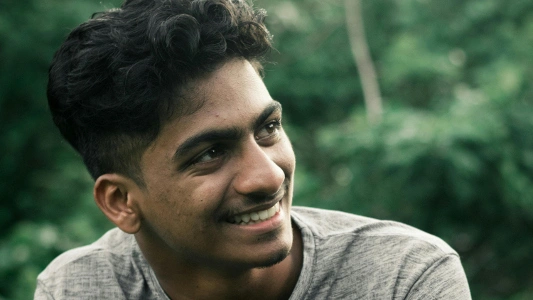
Rishi was diagnosed with type 2 diabetes as a teenager. At first he struggled with it, but he faced his challenges and is now living happily with his condition.

Nirvaanika is a type 2 diabetic, and lives with her diabetic parents. Living in a multi-diabetic home and being a caregiver has been hard. But rewarding.

Lisa is a primary caregiver to a diabetic parent. It’s a role that tested her, and brought her to the breaking point. But now, she’s mastered it.


