

The matchmaker rejected me – How diabetes affects marriage proposals in India

I was 29 when I received my first rejection from a matchmaker.
And it wasn’t because of my height, complexion, salary or horoscopes – It was because of my blood sugar.
“You should’ve told us earlier,” the matchmaker said over the phone, her voice polite but cold. “They want a healthy bride.”
I remember standing on the balcony of my Kolkata home, staring at the clothesline, holding my phone as if it were a bomb… “A healthy bride.”
Just like that, my diabetes became a disqualifier.
Diabetes and the marriage resume
Growing up, I always knew arranged marriages came with checklists:
- Job
- Caste
- Degree
- Skin tone
- Family reputation
But when I was diagnosed at 27 with type 2 diabetes, I didn’t know I’d just added a red mark next to my biodata.
At first, I didn’t mention it in proposals. Not out of shame, but because I thought, “Why does it matter? I take my medicine, go for walks, and eat well. I’m not weak.”
But when I told one family after a few promising conversations, everything changed. They said they needed to ‘think about it’. Then silence.
I got the message loud and clear.
My parents tried to protect me
After my first rejection, my mother told me not to mention my condition next time. She wasn’t trying to be cruel. She was anxious – “After marriage, you can explain. No one will throw you out.”
I know she meant well. My parents wanted to protect me from more pain.
But I didn’t want to build a marriage on half-truths. I wanted someone to fully accept me, even with a slightly faulty pancreas.
Some rejections hurt more than others
I kept trying, and kept getting rejected. Every rejection hurt, but some stung more than others.
One man I liked gently told me he respected me, but didn’t want ‘future complications’.
Another said his mother had concerns – “Who will take care of the kids if your sugar suddenly drops?”
It felt like I was applying for a job, not a relationship. And failing again and again.
Each time it happened, I felt smaller. Not because I doubted my worth, but because the world around me kept measuring it by a number on a test strip.
A culture that expects women to be caregivers, not patients
I believe that the problem, however, isn’t with me. It’s with our society.
In many Indian households, women are still expected to be the strong ones, the caretakers. They’re the ones who serve the tea, cook meals, and manage the family’s health.
But what happens when the woman herself needs care? What happens when the bride has a prescription list of her own?
That’s when people start to whisper, matchmakers become hesitant, and families begin to look elsewhere.
Taking a break from looking
After a string of quiet rejections and ghosted conversations, I decided to take a break from looking.
Instead, I focused on myself, my career, and my routines.
I joined an online community of women with chronic conditions. And I met others who’d faced the same rejection, guilt, and pressure to hide.
Some were living with polycystic ovary syndrome (PCOS). Some had thyroid issues. And some were diabetics, like me.
Sometimes we laughed about it, about how the same people who took 5 spoons of sugar in their chai could expect their future daughter-in-law to be sugar-free.
Meeting my match
Eventually, I met someone. Not through a matchmaker, and not through biodata.
It happened during a family event. We talked, clicked, and weeks later I told him about my condition.
He asked questions, and he listened – He didn’t run.
We’re not married yet, but for the first time, I don’t feel like I have anything to hide. He sees my insulin pen and doesn’t flinch. He reminds me to take my medicine when I forget, and he tells me – often – that I’m not defined by my illness.
My message to every girl hiding her diagnosis
If you’re reading this and you’ve hidden your diabetes from a matchmaker, a family, and a proposal, I want you to know – You’re not damaged, and you’re not less.
You’re living with something that requires daily strength. And one day, that strength will matter to the right person.
The ones who walk away were never meant for you. Because marriage should not be a reward for good health. It should be a partnership built on truth.
Your HbA1c score is not your character, and your insulin schedule doesn’t cancel out your dreams.
So be honest – Not for them, but for you.
If someone is going to share your life, your home, and your struggles, they should know your full story. And they should love you through it.
I didn’t get rejected because I was weak. I got rejected because they couldn’t see the strength it takes to live with diabetes and still smile through a broken heart.
And now, I smile wider than ever.

Looking for more stories like this?
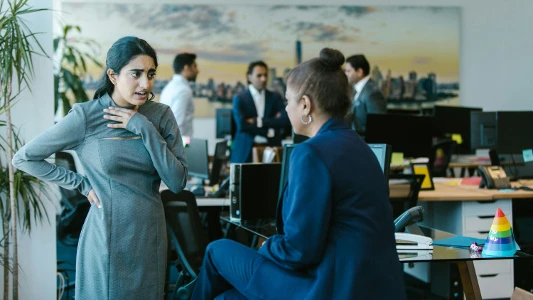
Joining the workforce, Nirvaanika was keen to climb the corporate ladder. But first, she had to learn how to balance her work and her type 2 diabetes.
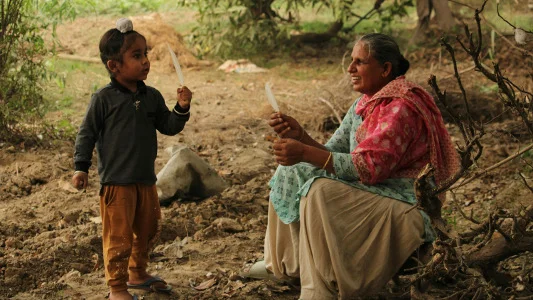
Nirvaanika is a type 2 diabetic and the primary caregiver for her type 2 diabetic mother. Her journey has been hard, but she’s grateful for it.
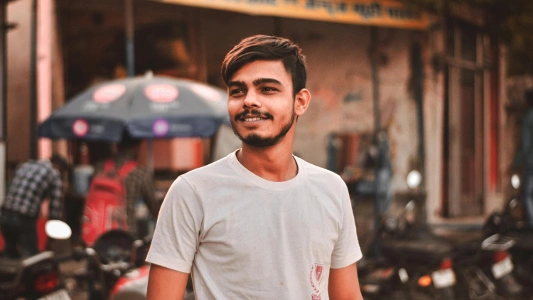
Rishi was 16 when he was diagnosed with type 2 diabetes. Filled with shame, he tried to hide from the world. Then he embraced it, and grew strong again.


