

‘Ineligible for marriage’ – A single, female, Bengali diabetic’s counter-argument

“Don’t tell anyone you have diabetes. You’ll ruin your chances of marriage.” – That’s what my aunt whispered to me the evening I was diagnosed with type 2 diabetes.
I was 33, single, and sitting in the corner of our Kolkata living room with my test results still fresh in my hands.
I wasn’t sure what hurt me more – That my fasting sugar level was 184 mg/dl (a non-diabetic reading would be under 100) or that my value, in her eyes, had dropped with one diagnosis.
The marriage market is not sugar-friendly
In India, marriage is more than a personal choice. It’s a public performance and a negotiation of caste, complexion and career – And now, apparently, medical history.
When the word ‘diabetes’ entered my file, I noticed how quickly relatives became cautious:
- “Don’t mention it in the bio-data.”
- “Why don’t you lose weight quickly?”
- “Just get married first, then figure it out.”
I wasn’t trying to hide anything. But I didn’t think managing my own health responsibly should make me any less eligible for love.
But it did.
A man I was casually talking to (through a family connection) stopped replying after I mentioned I was diabetic. His last message was, “You should have told me earlier. I’m looking for someone… fitter.”
The silence that followed was louder than anything I’d heard before.
Managing diabetes is one thing – Managing society is another
To be clear, I’m managing my diabetes quite well. I eat carefully, walk daily, take my medications, and get my bloodwork done every 3 months.
But how do you manage the judgment?
In our extended Bengali family, where rice is love and sweets are currency, I became the outlier – “Tumi mishti kheyo na?!” (You don’t eat sweets?!) became a conversation-ender at weddings and pujas.
And during Durga Puja last year, after I refused rasgulla at a family pandal I was instantly treated like someone recovering from a terminal illness.
But the worst part isn’t the sweets I avoid – It’s the sweetness missing from conversations. There’s no space to be a diabetic woman and still be seen as ‘marriage material’.
My parents – My pillars and my pressure
I live with my parents, and they’re both diabetic as well. While that makes meal planning easier it also multiplies the emotional pressure.
They worry for me – Not just about my sugar levels, but about my future.
My mother once cried when an astrologer casually mentioned that my kundali (astrological chart) looked ‘imbalanced’ for marriage. Later I heard her whisper, wiping her eyes, “And now this diabetes…”
I know they mean well. But age, illness, and societal expectations can become crushing.
Sometimes, I feel like a ticking clock with a ticking pancreas, with both running out of time.
The irony of strength
You know what’s funny?
- I have a stable job.
- I help my parents manage their medications.
- I cook most of the meals in the house.
- I’ve organised a health camp for diabetic women in our neighbourhood.
- Throughout my journey with diabetes, I’ve built resilience, discipline, and emotional strength.
But none of that makes it onto the ‘ideal bride’ checklist.
Instead, people see me as a ‘sick girl’ – As if I’m broken, fragile, and high maintenance.
No one sees the strength it takes to monitor your sugar after every stressful day, to reject comfort food when you’re PMSing, and to get up and walk even when your legs are aching.
The stigma is real – And gendered
Here’s something I’ve noticed:
A diabetic man is often told, “No problem. Just manage it. Take care. Get married soon, and your wife will help you.”
But diabetic women hear, “Oh no, who will marry you?”
It’s as if women are expected to be caregivers, not care receivers. Illnesses (especially chronic ones) make us inconvenient.
I sometimes wonder if it would be easier to hide my diabetes. But then I remember how dangerous silence can be. And how many women like me must be swallowing shame, guilt, and sugar-free tea just to fit into society’s mould.
Reclaiming my narrative
I no longer refer to myself as ‘suffering’ from diabetes – I say I’m living with it.
I no longer reduce myself to a medical label. I’m not ‘that diabetic girl’. I’m a daughter, book-lover, decent cook, fiercely loyal friend, and yes, a woman with diabetes.
If I ever choose to marry, it will be to someone who sees this as part of my strength, not a stain on my worth.
My message to other female diabetics
If you’re a woman with diabetes in India, trying to juggle your health, career and society’s expectations – I see you.
- You are not your numbers.
- You are not less desirable because you carry insulin pens in your purse.
- You are not ‘too complicated’.
And if the people around you make you feel like you are any of the above, remember, it’s not your body that’s broken – It’s their mindset.
Final thoughts – Redefining eligibility
In a world obsessed with ‘perfect matches’, I’ve learned to stop waiting to be chosen. Instead, I choose myself every single day.
I choose balanced meals over shame, truth over silence, and to believe that living well with diabetes is not a disqualification – It’s a badge of resilience.
Yes, in some people’s eyes, I may be ‘ineligible’.
But in my own mirror, I’m glowing – With self-respect, stability, and sugar well under control.

Looking for more stories like this?
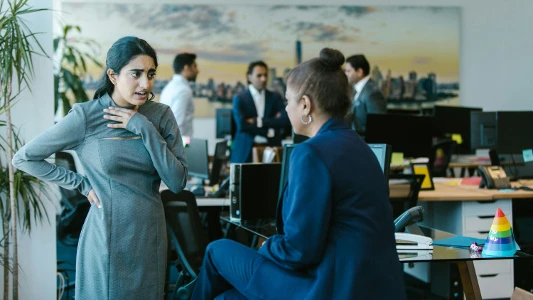
Joining the workforce, Nirvaanika was keen to climb the corporate ladder. But first, she had to learn how to balance her work and her type 2 diabetes.
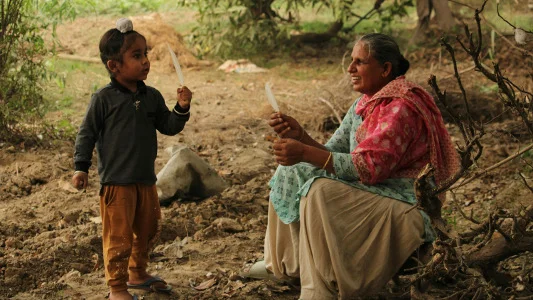
Nirvaanika is a type 2 diabetic and the primary caregiver for her type 2 diabetic mother. Her journey has been hard, but she’s grateful for it.
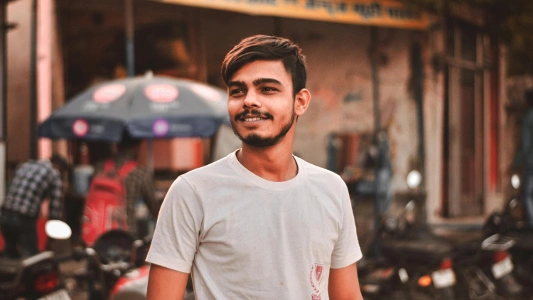
Rishi was 16 when he was diagnosed with type 2 diabetes. Filled with shame, he tried to hide from the world. Then he embraced it, and grew strong again.


