

Learning how to live with diabetic neuropathy
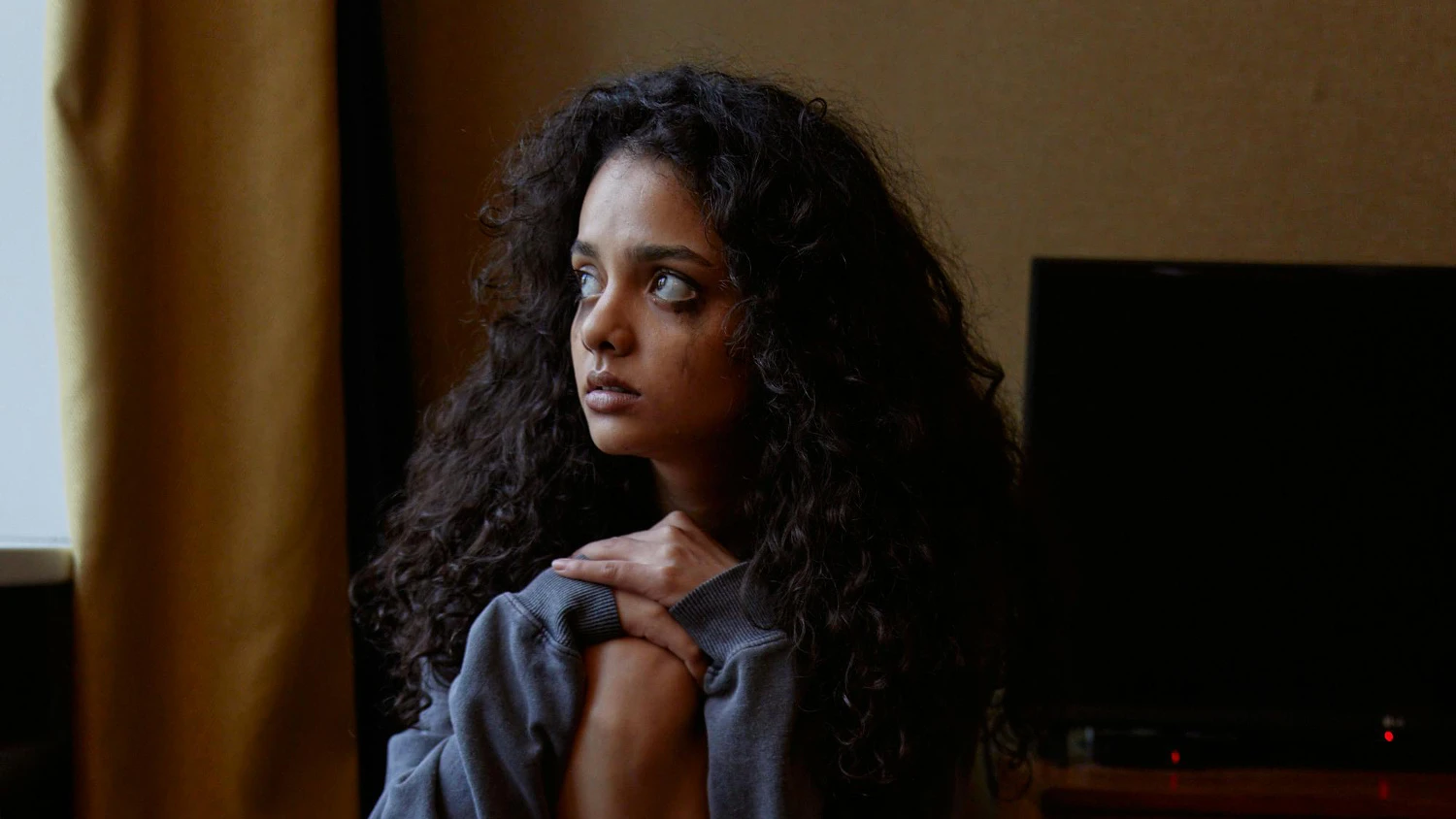
When I was diagnosed with type 2 diabetes in my late 20s, my doctor told me to ‘be careful’ about complications. But like many young diabetics, I didn’t think much of it. I was focused on managing my sugar, taking my medicines, and living as normally as possible.
A few years later however, one winter morning in my family’s Kolkata home, I felt the first sign of something wrong – I woke up with a strange tingling in my feet, as if pins and needles were poking at my skin.
I thought I’d slept wrong. But as the days passed, the tingling turned to burning. And by the end of the month, it felt like I was walking barefoot on hot bricks.
I returned to my doctor, and they uttered words I wasn’t prepared for – “Diabetic neuropathy”.
A hidden struggle
At first, my diabetic neuropathy was just discomfort. I’d sit at the dining table with my parents, wincing quietly as I felt tiny electric shocks shooting through my toes.
I didn’t tell them – I couldn’t. They had their own diabetes battles to fight. My mother was already juggling hypertension and arthritis, and my father was recovering from a minor stroke. I didn’t want to add to their worries.
But the pain soon escalated.
Walking from the bedroom to the kitchen became an ordeal. I’d have to pause midway, gripping the wall, and wait for the stabbing sensation to subside.
At work, I’d hide under my desk, massaging my feet, pretending I’d just twisted my ankle.
Nights were the worst. Lying in bed, the burning would intensify, keeping me awake while the rest of the house slept. Sometimes, I’d cry silently into my pillow, wondering how something invisible could hurt so much.
The cultural silence
In a lot of Indian households, pain is normalised – I grew up hearing, “Sab theek ho jayega” (everything will be fine).
But diabetic neuropathy isn’t the kind of pain that disappears with a haldi doodh (turmeric milk) or a quick prayer. It lingers, chipping away at your confidence, independence, and patience.
When I finally told my mother, she frowned and said, “It’s just weakness. You need more calcium”. My father suggested I try ayurvedic oil massages. A neighbour recommended a homoeopath – Everyone had a remedy, but no one really understood the depth of my problem.
I didn’t blame them. Neuropathy is invisible. There are no casts or bandages, just feet that look normal but feel like they’re on fire.
My daily battles
With diabetic neuropathy, simple tasks became strategic missions.
I had to plan my routes inside the house – Avoid the cold marble floors, wear socks even in summer, and check for cuts I couldn’t feel.
I stopped walking barefoot around the temple corner in our living room (a ritual I’d cherished since childhood) because one unnoticed blister could become a nightmare.
Festivals became tricky. Standing for long hours during Durga Puja at the local pandal was out of the question. Attending weddings meant sneaking away every half hour to ‘get fresh air’ so I could sit down. I missed dancing at my cousin’s sangeet because the pain in my feet made every step feel like a punishment.
Social gatherings were full of awkward explanations – Someone once asked, laughing, “Why are you wearing sneakers with your saree?” I could only smile weakly, unable to explain that my shoes were the only thing keeping me upright.
Learning to speak up
The hardest part of managing diabetic neuropathy wasn’t the pain – It was the loneliness.
For a long time, I felt like I couldn’t complain. After all, I wasn’t in a wheelchair, I wasn’t hospitalised, and compared to others, my suffering felt small.
But over time, I’ve learned that pain doesn’t need permission to be acknowledged.
Eventually, I found a diabetologist who listened carefully and didn’t brush off my symptoms as ‘just part of diabetes’. Instead, she adjusted my medications, added nerve supplements, and encouraged physiotherapy. It didn’t erase the pain, but it made it manageable. And most importantly, it made me feel seen.
I also started talking more openly about it at home. I explained to my parents that it wasn’t just ‘weakness’ or ‘all in my head’. It was real, and it was mine to carry. Slowly, they began to understand – My mother stopped insisting I walk barefoot during puja, and my father started checking regularly at family gatherings if I needed a chair. These small acts of compassion made a big difference.
Finding new strength
Living with diabetic neuropathy means living with uncertainty. Some days are good – Others feel impossible.
I’ve had to let go of certain dreams, like trekking to the hills of Darjeeling or running a 10k charity race.
But I’ve also discovered quiet victories – Like completing a day’s work without collapsing, and standing through an entire aarti.

Looking for more stories like this?
Nirvaanika is a middle-class, type 2 diabetic. For her, diabetes doesn’t just put a strain on her health, it’s a problem for her wallet too.

Nirvaanika lives in a multi-diabetic Bengali home. She’s learned first-hand the challenges of managing food, festivals and emotions with 2 other diabetics.

Like many diabetics, Lisa felt alone and overwhelmed managing her diabetes. Joining a diabetic community helped her connect with others and regain her voice.


