

Managing diabetes on a budget in India – The cost of staying alive
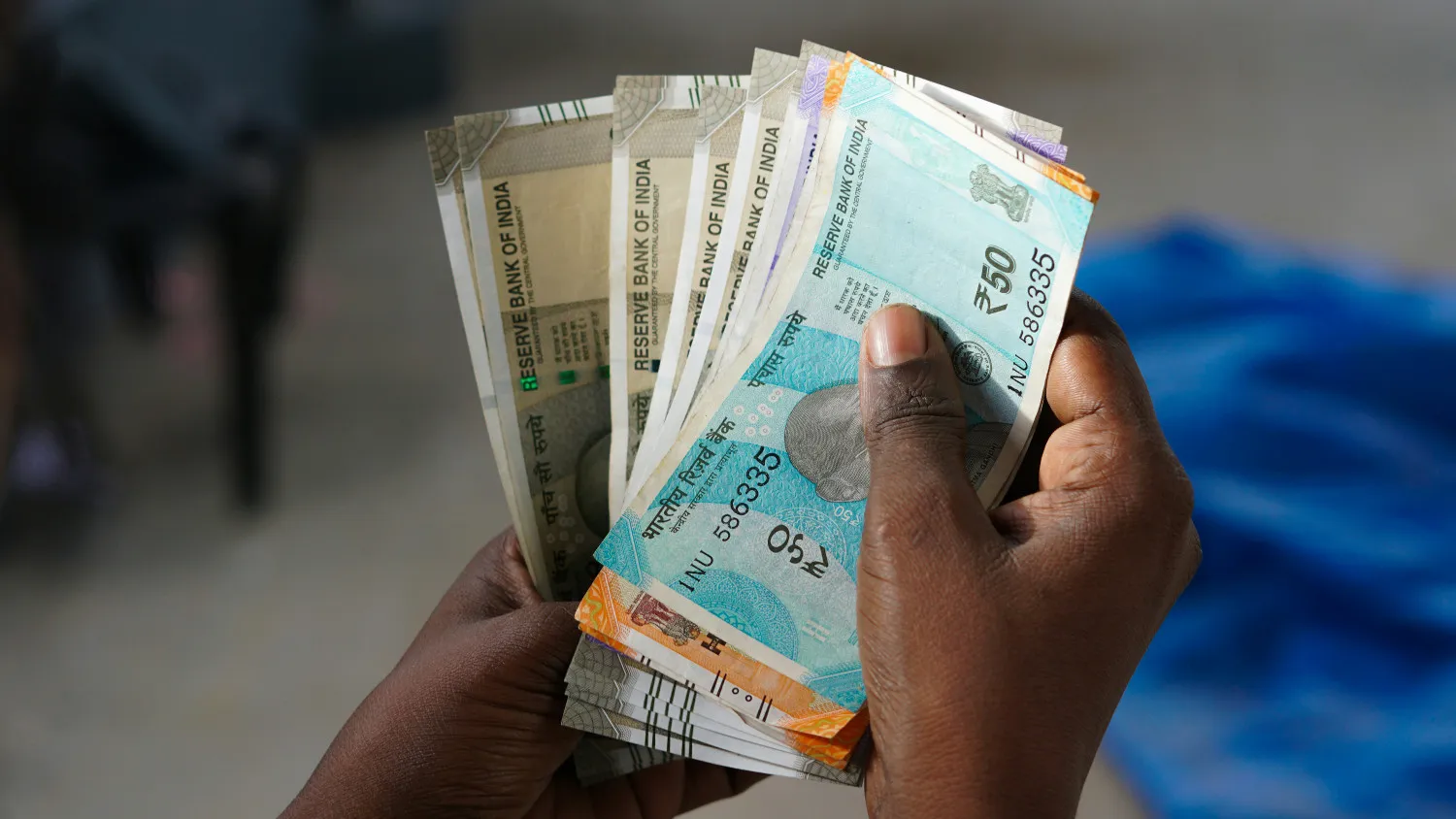
The day I was diagnosed with type 2 diabetes, I remember thinking only one thing – “Can I even afford this?”
I wasn’t thinking about long-term complications, scary statistics, or how to manage a sugar-free diet.
Instead, I was thinking about my salary, my savings, and whether this condition would quickly eat up my bank account along with my health.
I live in Kolkata, in a 2-bedroom flat with my retired parents. I work full-time in a local printing firm. My salary is enough to get us through the month, but it’s not built for surprises, and diabetes is full of them.
The monthly breakdown no one talks about
Here’s what diabetes actually costs, financially.
Every month, I buy 2 types of medication. One is for controlling sugar, the other is for nerve protection – That costs about 1,400 rupees.
Then there are the blood glucose level test strips. If I test carefully, one pack lasts 25-30 days – That costs around 950 rupees.
A glucometer lasts longer, but batteries and lancets are small costs that add up over time – Let’s say roughly 2,700 rupees per month.
What about doctor visits? I try to see my private diabetologist once every 2 months – A single consultation costs 600-800 rupees. If my numbers go haywire, I have to go again (and that means taking time off work too).
Looked at together, diabetes costs me roughly 5,600 rupees every month. And that’s just my direct ‘medical’ expenses.
Sometimes, I feel like my wallet is more diabetic than I am.
The hidden costs of ‘eating healthy’
One of the biggest myths people believe about diabetic food is that it’s “just normal food without sugar” – That couldn’t be further from the truth.
To keep my sugar level stable, I need fresh vegetables, low glycemic grains, lean proteins, and specific oils. But visit any bazaar, and you’ll see how expensive these things are.
A small pack of oats costs more than a family-sized packet of biscuits. Brown rice, quinoa, olive oil and almonds are everywhere on diet charts, but nowhere near my actual grocery bag – I can’t afford them.
Instead, I do what many middle-class Indians do. I compromise and buy what I can afford.
Practically, this means I boil a lot of lauki (bottle gourd) and use mustard oil instead of the fancy alternatives. I also eat roti at night instead of rice, not because I like it more, but because I was told it spikes sugar less (it doesn’t always work, but it’s what I can manage).
The gaps in public healthcare
I’m often told I should switch to a government hospital, as it will reduce my costs.
But here’s the thing – I tried it once, and it didn’t work.
I spent 4 hours standing in line outside the hospital, surrounded by hundreds of other patients (many sicker than me). When I finally saw the doctor, he was polite but rushed. He asked me a few questions, adjusted my dose, and then moved on to the next patient. It wasn’t his fault. The system is overworked.
And my problems didn’t stop there. My medicines from the government pharmacy were sometimes out of stock, and the glucometer strips weren’t available at all.
So I went back to my local pharmacy, paying full price.
This feels unfair, but it’s what I have to do to stay alive.
The financial impact of a work-life balance
Sometimes I get asked why I don’t go for a walk in the morning. Or join a yoga class. Or hire a dietitian.
I smile politely and say I’ll think about it.
But that’s a lie. Because the truth is, I simply don’t have it in me.
I wake up at 6.30am, help my mother with breakfast, rush to work, and get home by 7.30pm. And I’m tired. Not just physically, but mentally.
The idea of setting aside money and energy for a fitness class feels like a luxury. And there’s a price for every health suggestion, not just in terms of money, but in time, convenience and headspace.
So I walk on Sundays. Not only because it’s free, but also because it’s when the house is quiet and the roads are emptier.
The emotional drain
Living with diabetes isn’t just physically draining. It’s also emotionally expensive.
Every day, I’m calculating.
- I count carbs, but also costs.
- I predict sugar levels, but also whether I can afford that extra blood test this month.
- And I work out whether I should skip one doctor visit, and instead buy new shoes because mine are worn out (and yes, foot care is important when you’re diabetic).
Some nights I stay up doing sums on paper, tracking my rent, groceries, insulin, bus fare, and phone recharge.
There’s never much left, but still I go on – Because I have no choice.
The uncomfortable truth no one talks about
Diabetes in India isn’t just a health condition. For people like me, it’s a financial trap.
And middle-class people like me live in the middle of everything:
- We’re not poor enough to get full help from the government.
- We’re not rich enough to comfortably manage private health care.
We’re just here, surviving, skipping sweets and skipping blood tests too because they’re expensive.
No one talks about this. They just say, “Take care of your health.”
But what they don’t acknowledge is that taking care of your health costs money. And sometimes, the cost feels unbearable.
Despite it all, I live and I fight
Living with diabetes in India isn’t just about surviving blood sugar – It’s about staying alive one rupee at a time.
Even on the days when the price of medicine makes me want to scream. Even when I cry after skipping another checkup. And even when I lie to my doctor about taking my full dose, because in reality, I’m trying to save money.
Despite it all, I’m trying.
And I’m managing my sugar, my salary, my health, and my hope, every single day.

Looking for more stories like this?
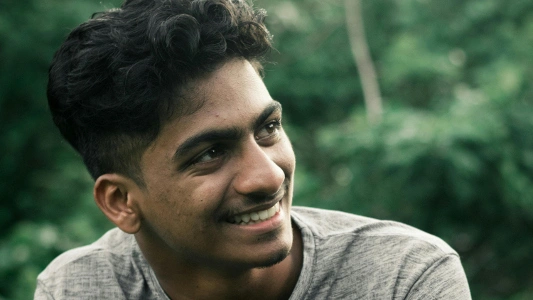
Rishi was diagnosed with type 2 diabetes as a teenager. At first he struggled with it, but he faced his challenges and is now living happily with his condition.

Nirvaanika is a type 2 diabetic, and lives with her diabetic parents. Living in a multi-diabetic home and being a caregiver has been hard. But rewarding.

Lisa is a primary caregiver to a diabetic parent. It’s a role that tested her, and brought her to the breaking point. But now, she’s mastered it.


